How criminal defense representation in the United States is arranged, priced and staffed, including appointed counsel, private flat fees and what each stage of a case requires
Arrested last week? Here are the six settings your case will pass through, and what each one costs in lawyer hours
A stage-by-stage walk from the bond hearing to disposition, showing where the lawyer hours actually go and how to read a flat fee against the settings a case is likely to reach.
Foprr A flat fee is a forecast of how far a case travels before it stops. The number reflects the stages the lawyer expects to reach, not the seriousness of the accusation alone.
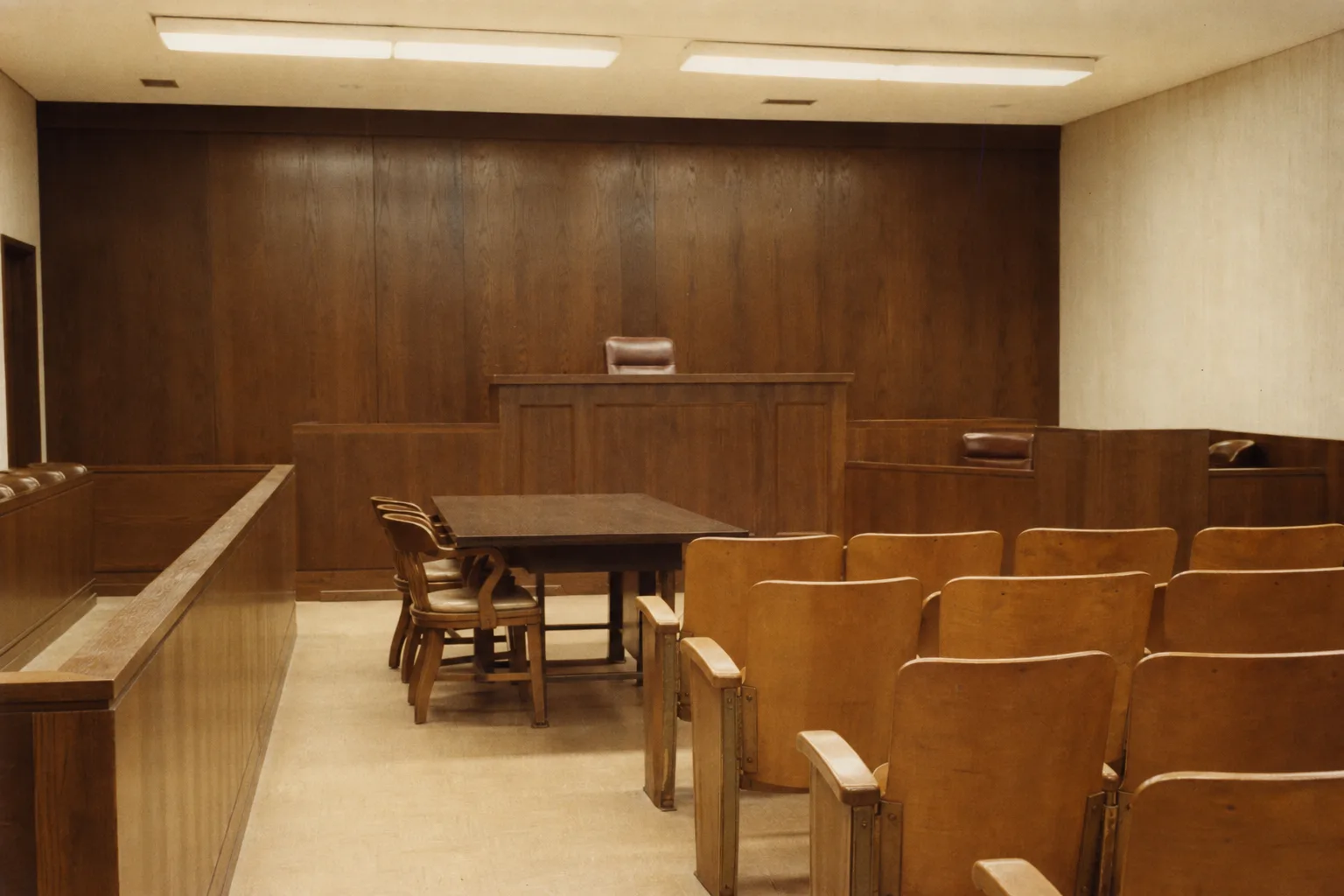
The formal entry of a plea usually takes minutes and requires little preparation. A fee described as covering arraignment has covered almost nothing of substance.
A flat fee quoted at the first meeting is a prediction. The lawyer is guessing how far the case travels before it stops, and the guess is built from the settings on the court's calendar rather than from anything about the client. A careful reader of a fee agreement works backward from that: not what the number is, but which settings it assumes, and what happens to the price if the case passes the last one the agreement names. The sequence below is the ordinary one in state court, with the federal variations noted where they matter.
1. First appearance and the bond hearing
Within a day or two of arrest, in most jurisdictions, the defendant is brought before a judge or magistrate who reads the charge, addresses counsel, and sets conditions of release. This setting decides whether the client waits at home or in custody, which changes everything downstream: how easy the client is to reach, how much pressure builds toward a quick plea, how a jury will eventually see the person. The hearing itself is short. The preparation, gathering employment records, a residence, a family member willing to speak, is where the hours go, and a fee agreement should say plainly whether that work is included.
2. Arraignment and the entry of a plea
Arraignment is the formal reading of the charging instrument and the entry of a plea, almost always not guilty at this stage. In many counties it consumes fifteen minutes of court time and represents almost no lawyer work beyond appearing. Its real function is procedural: it starts the clock on discovery deadlines, on speedy trial calculations, and on the schedule for filing motions. A reader checking a quote should notice that a fee covering "arraignment and pretrial" may be covering very little, because arraignment is cheap and the word pretrial is doing all the work.
3. Discovery, which is where most hours actually go
Discovery is not a court appearance. It is the period, often months, during which the defense obtains police reports, body camera footage, lab results, dispatch recordings, witness statements and the prosecutor's file. Reviewing eleven hours of video is eleven hours, and nobody can compress it. This is the single largest consumer of attorney and paralegal time in a routine case, and it is also where the assessment of the case is formed. The Bureau of Justice Statistics tracks how criminal cases move through state and federal courts, and the long middle stretch is exactly this. Ask whether investigator time and expert consultation sit inside the fee.
4. Pretrial motions
Motions to suppress a stop, a search, a statement or an identification are litigated at a hearing with live testimony, and they are the closest thing to a trial that most cases ever see. A contested suppression hearing takes a full morning in court and several days of preparation, transcripts, case law, cross-examination outline. Because a granted motion frequently ends the case, this setting carries leverage far beyond its length. Many flat fees stop here, and reasonably so; the honest agreements name motions separately, price them separately, and explain what triggers the additional amount.
5. Docket calls, status conferences and the trial setting
Between motions and resolution a case may be called five or ten times for status, each appearance lasting a few minutes and each requiring the lawyer to be in the building for a morning. Continuances accumulate. These settings decide little individually, but they are where plea negotiation happens in the hallway, and where the prosecutor's offer improves or hardens as witnesses become available or stop returning calls. A fee that covers unlimited appearances through disposition is worth more than the sticker suggests, because the number of them is genuinely unknowable at the outset.
6. Disposition, and where cases most often end
The overwhelming majority of criminal cases resolve by plea, dismissal or diversion rather than by verdict, which is why trial is almost always priced as a separate engagement. Disposition means a negotiated agreement placed on the record, a sentencing hearing, and the conditions that follow: probation terms, fines, restitution, a surrender date. Sentencing preparation is real work, mitigation letters, treatment enrollment, a sentencing memorandum, and it is the last point at which the outcome can still move. Read the quote against these six settings and the number stops being abstract.
The useful question at a first meeting is not what the case will cost but which setting the lawyer expects it to end at, and what the agreement does when that estimate proves wrong. A lawyer who has answered that clearly has told you how the fee was built.